" height="810px" id="u9jgqp_wt" width="900px"/></svg>)
Artifact
Master's Project
•
Group
•
Design Concept
•
2021
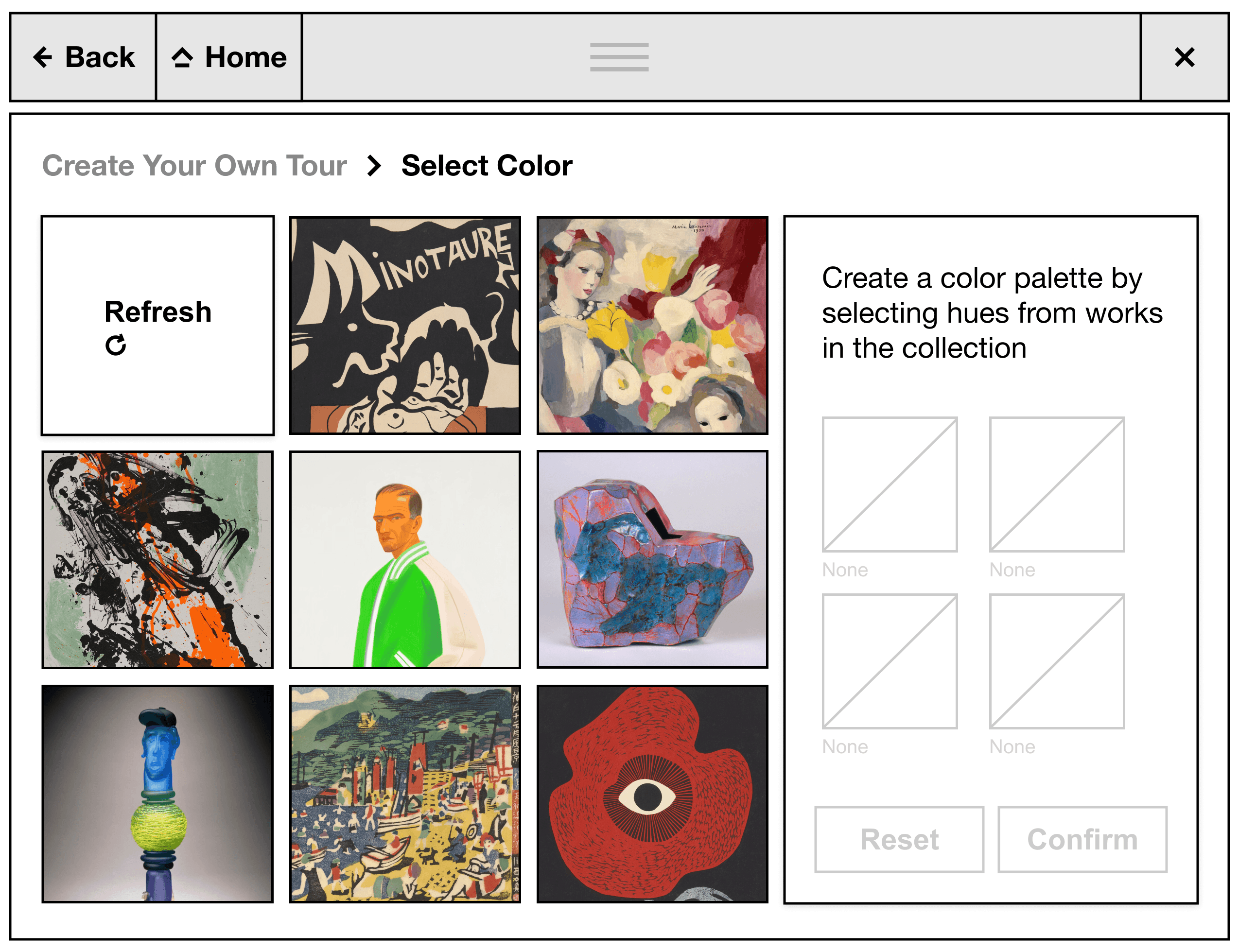
Artifact is a mixed reality learning and co-curation platform for The Carnegie Museum of Art (CMOA). Visitors can use Artifact on Microsoft Hololens 2 to create their own tours, interact with the art they find most interesting, and share their experiences. Curators can use Artifact to create and change museum experiences more nimbly (and without without spatial intervention).
I designed Artifact alongside Jonah Conlin, Jamie Choi, and Yeonjin Park over five weeks of a Master's studio course at the Carnegie Mellon School of Design. We delivered a five-minute concept video, research and design documentation, and a presentation to students and faculty. I contributed research, concept development, UX/UI Design, brand design, motion design, and 3D animation to the project.
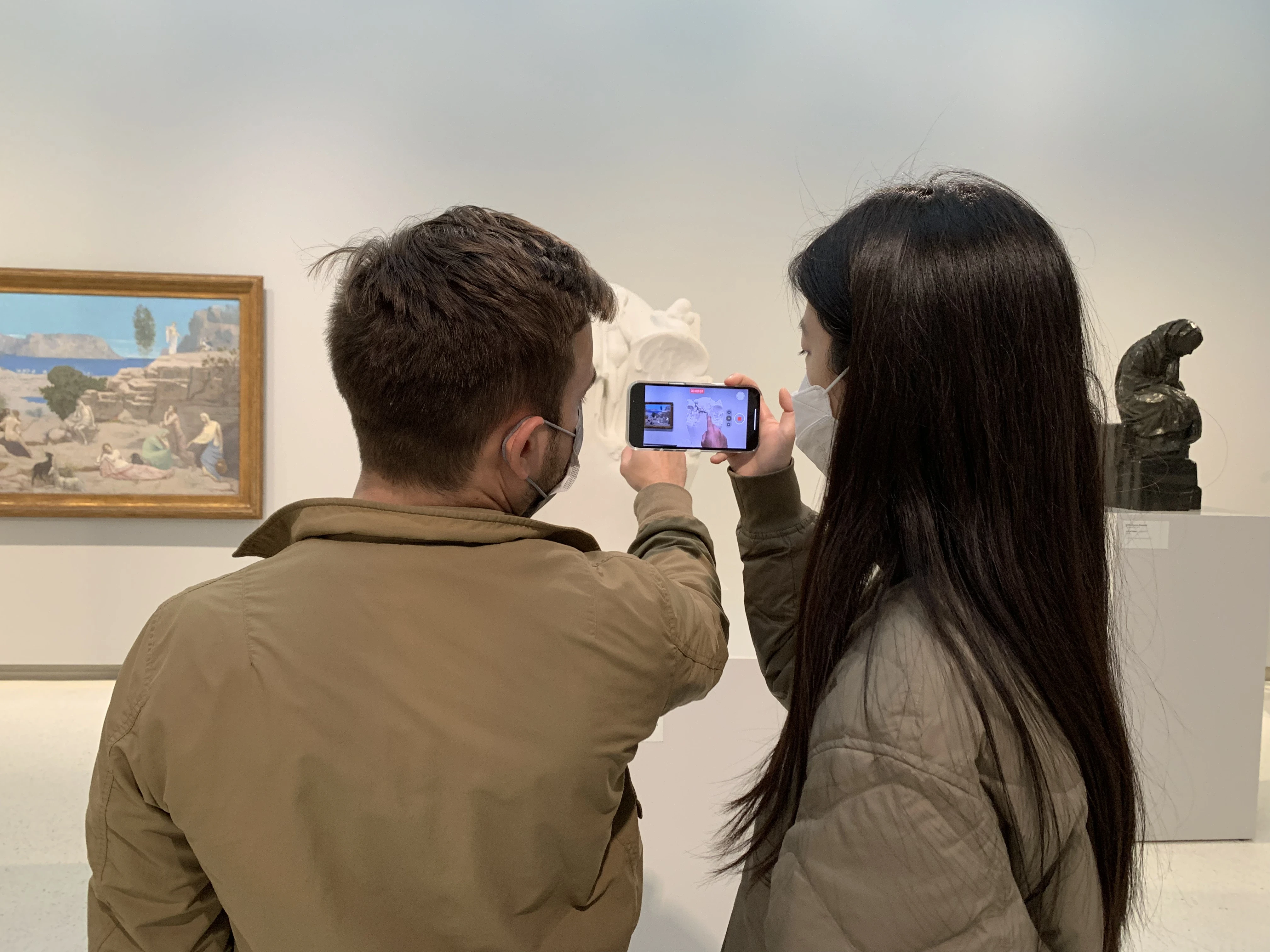

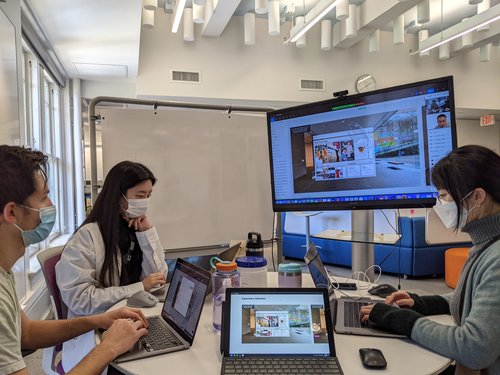
Tasked with finding emerging technology solutions in the museum space, we interviewed museumgoers and curators, performed industry research, and did walkthroughs of galleries at CMOA to identify gaps in mission and reality for those groups. We found that there was ample potential in using augmented reality to help museums and museumgoers help one other to create richer learning experiences, as well as an unused opportunity to use XR in the space with restraint.
Our design work aimed to meet three goals:
Offer new, seamless learning channels that bridge the gap to audiences more than simple wall text can.
Design XR experiences with the right level of information or immersion and no more, based on the museum and museumgoer.
Help museums reach out to new and changing audiences, and leverage data on visitor experiences to better curation of not only virtual, but also real-life content.
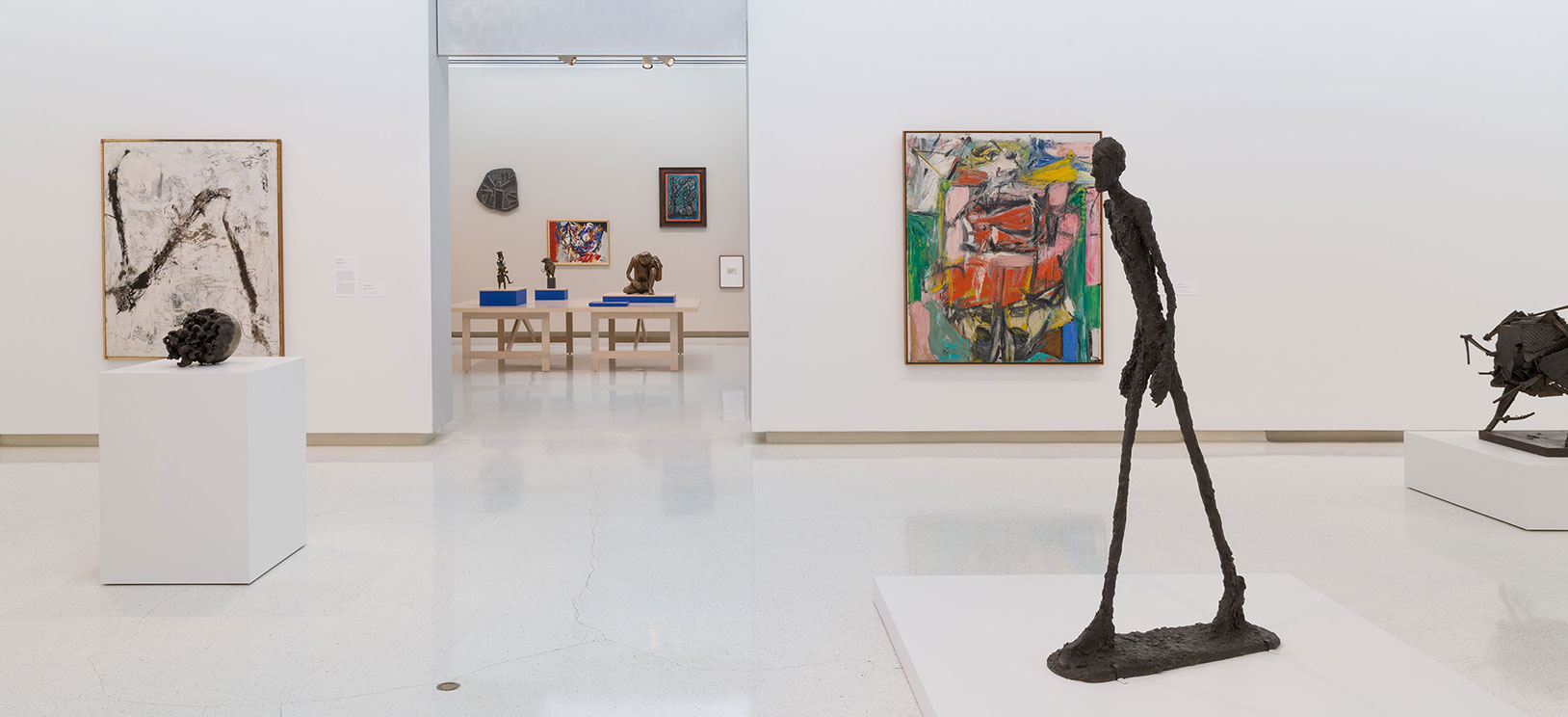
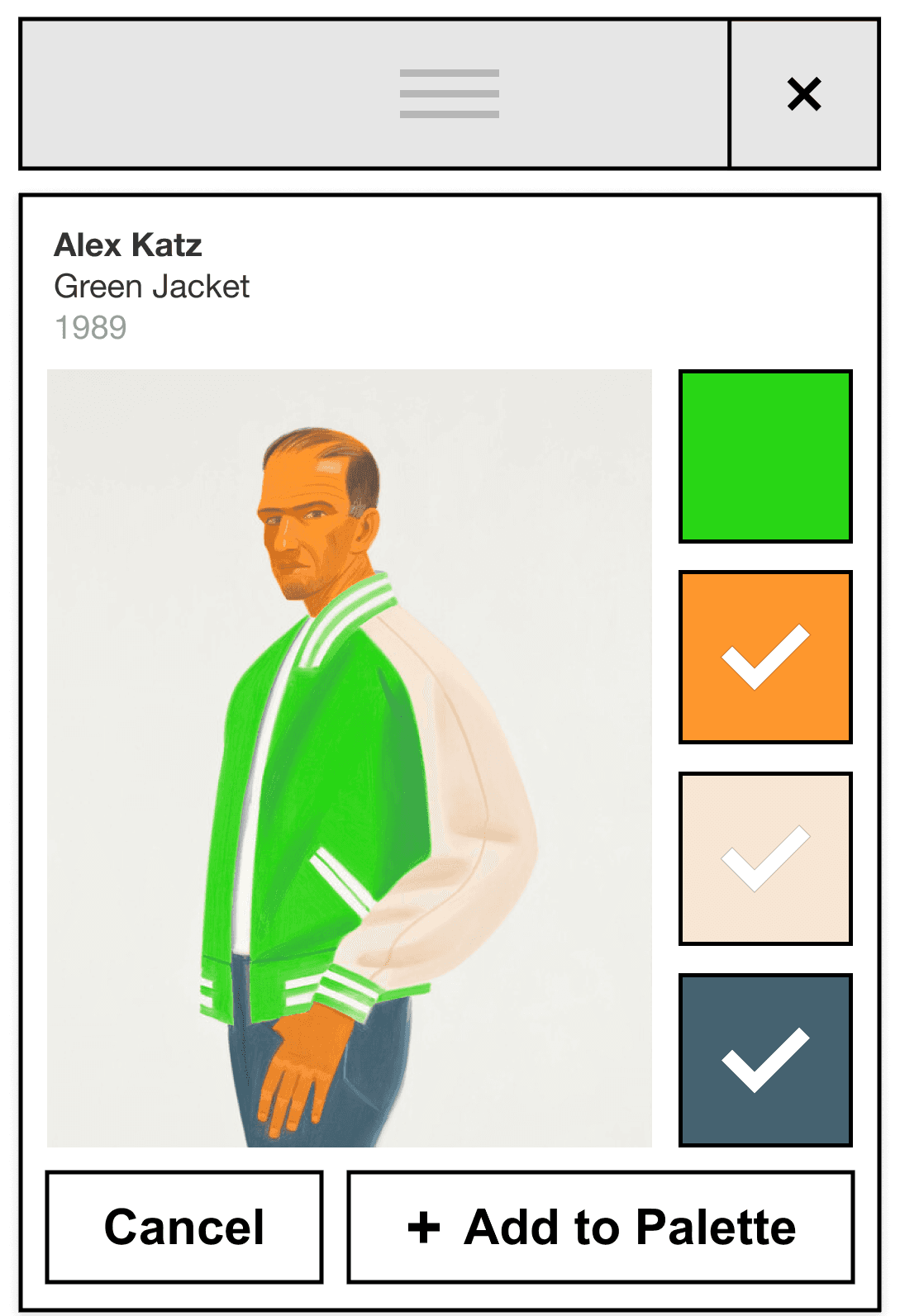
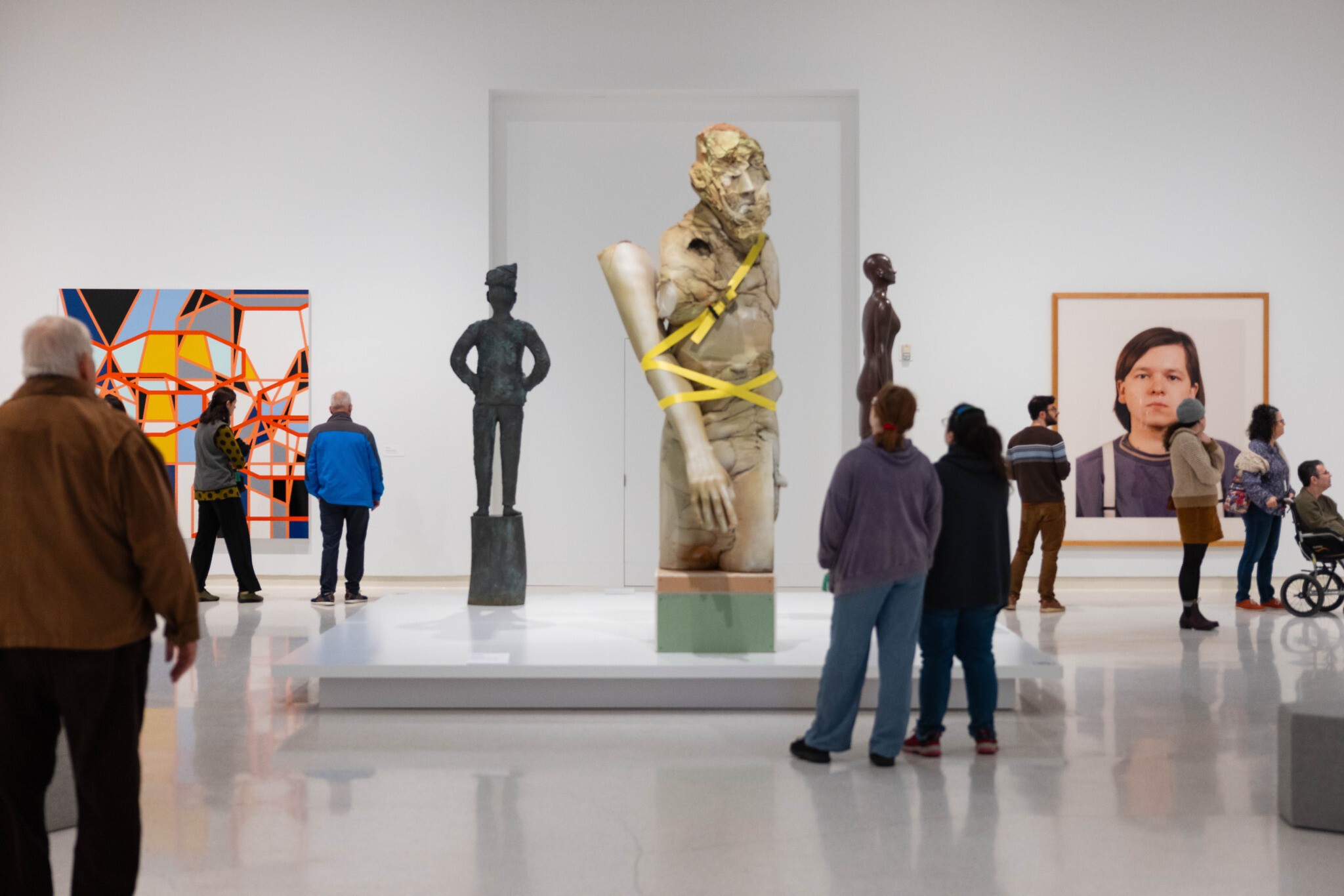
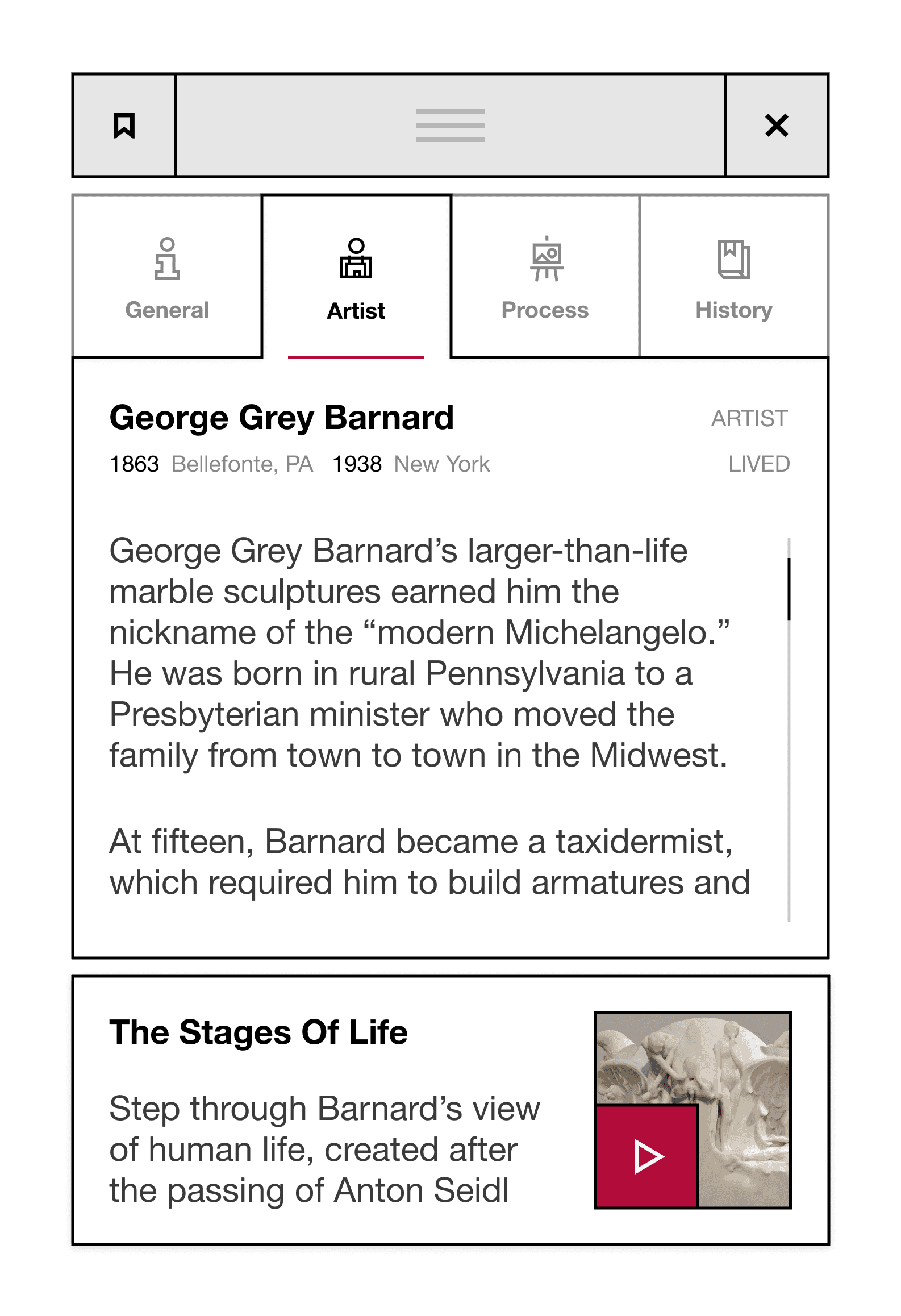
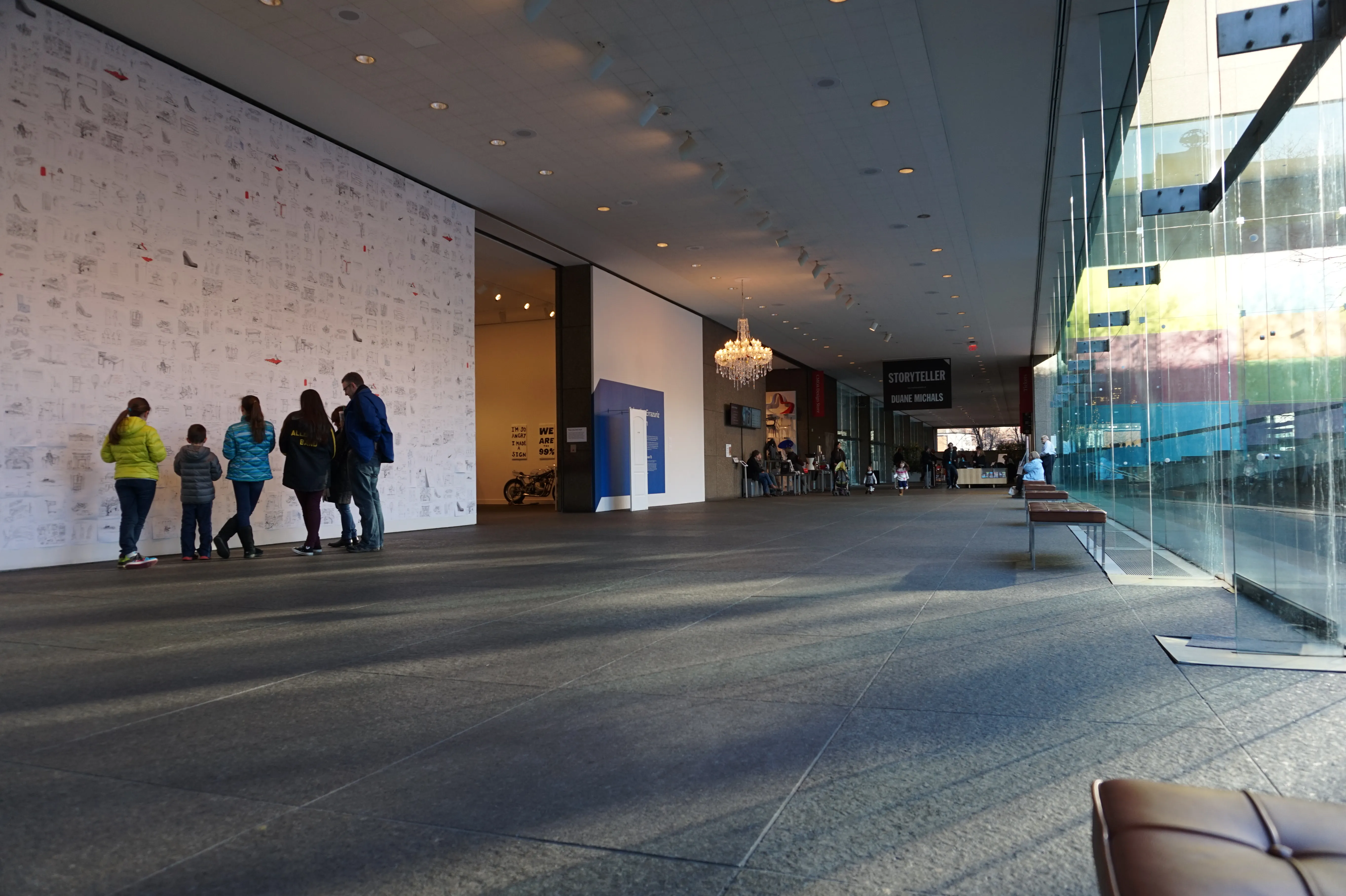
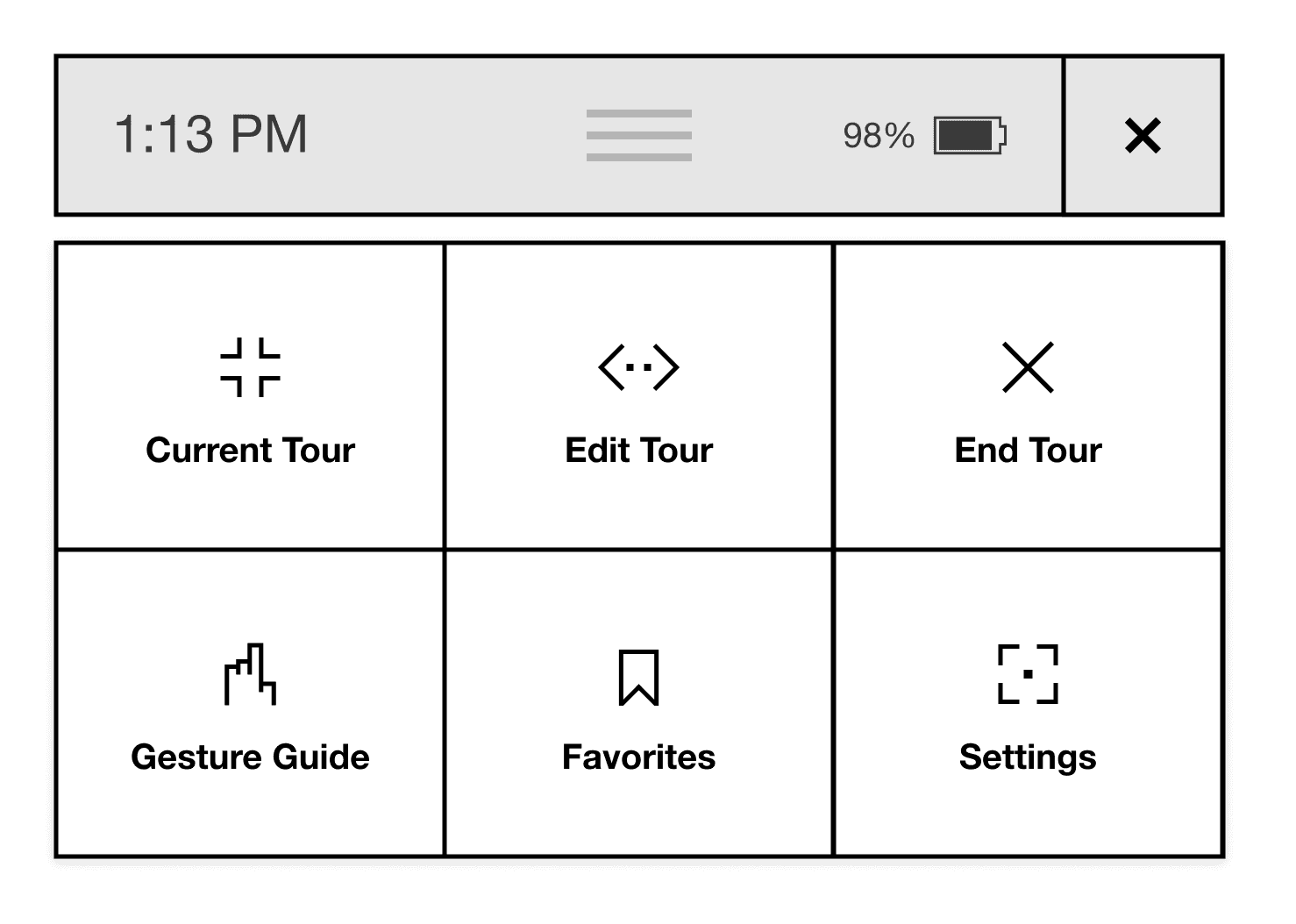
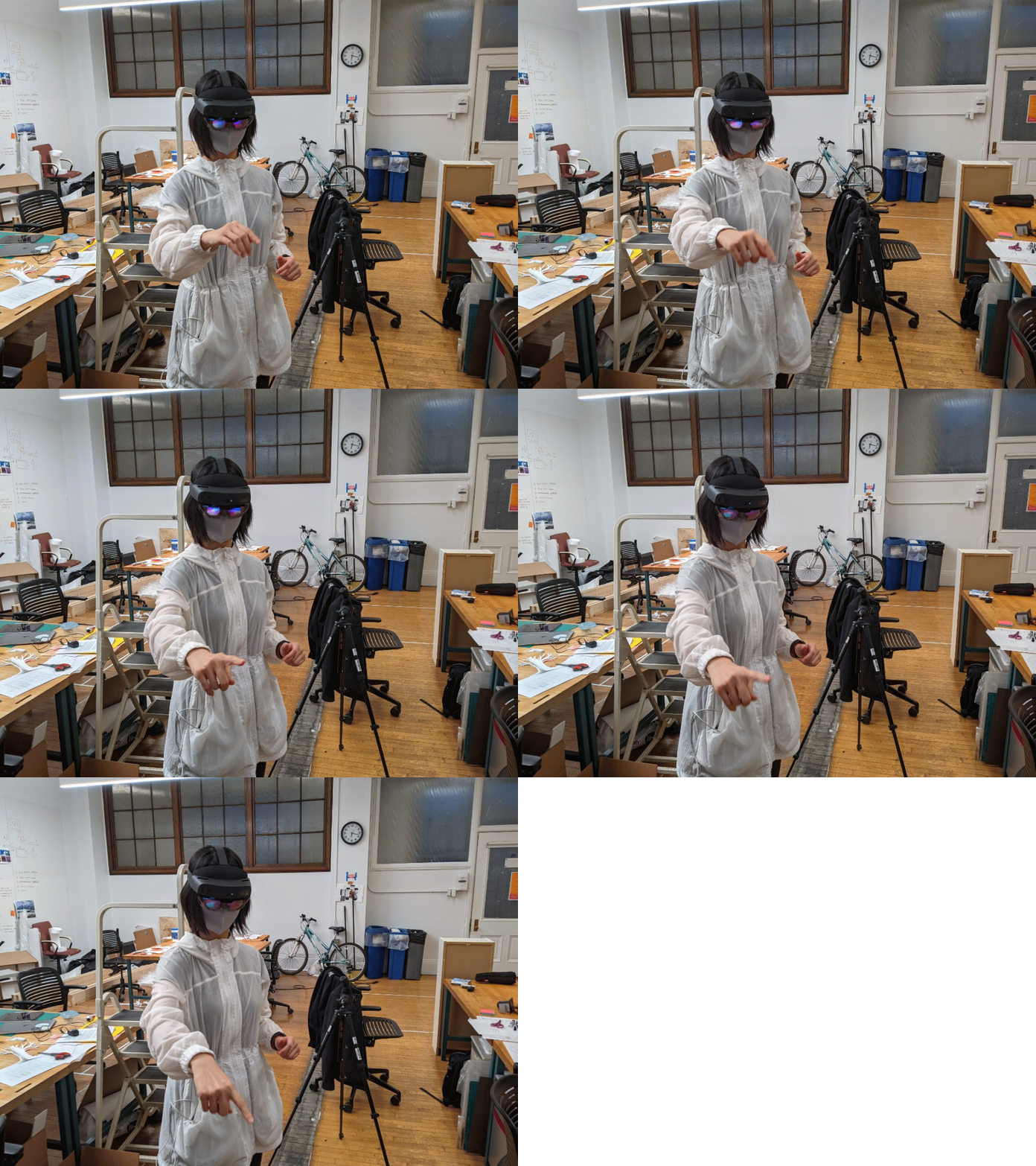
From technical research and hands-on demos, we found XR platforms surprisingly easy to pick up. Still, we designed around the reality that XR is a totally new technology for most people—especially as users would rent it, rather than own it.
We created a set of core principles for effective AR interaction in museum spaces. Especially there, where real connection to the artwork is paramount, we stayed mindful about information density and how to use that information to enrich the art, not replace it.
Readable: Use high contrast colors, typography, and layouts.
Reachable: Keep targets few and obvious. Use larger content frames and less dead space.
Recognizable: Use familiar patterns and layouts to keep interactions in a novel spaces accessible.
Restrained: Minimize information density and clicks. Disclose details progressively and on demand.
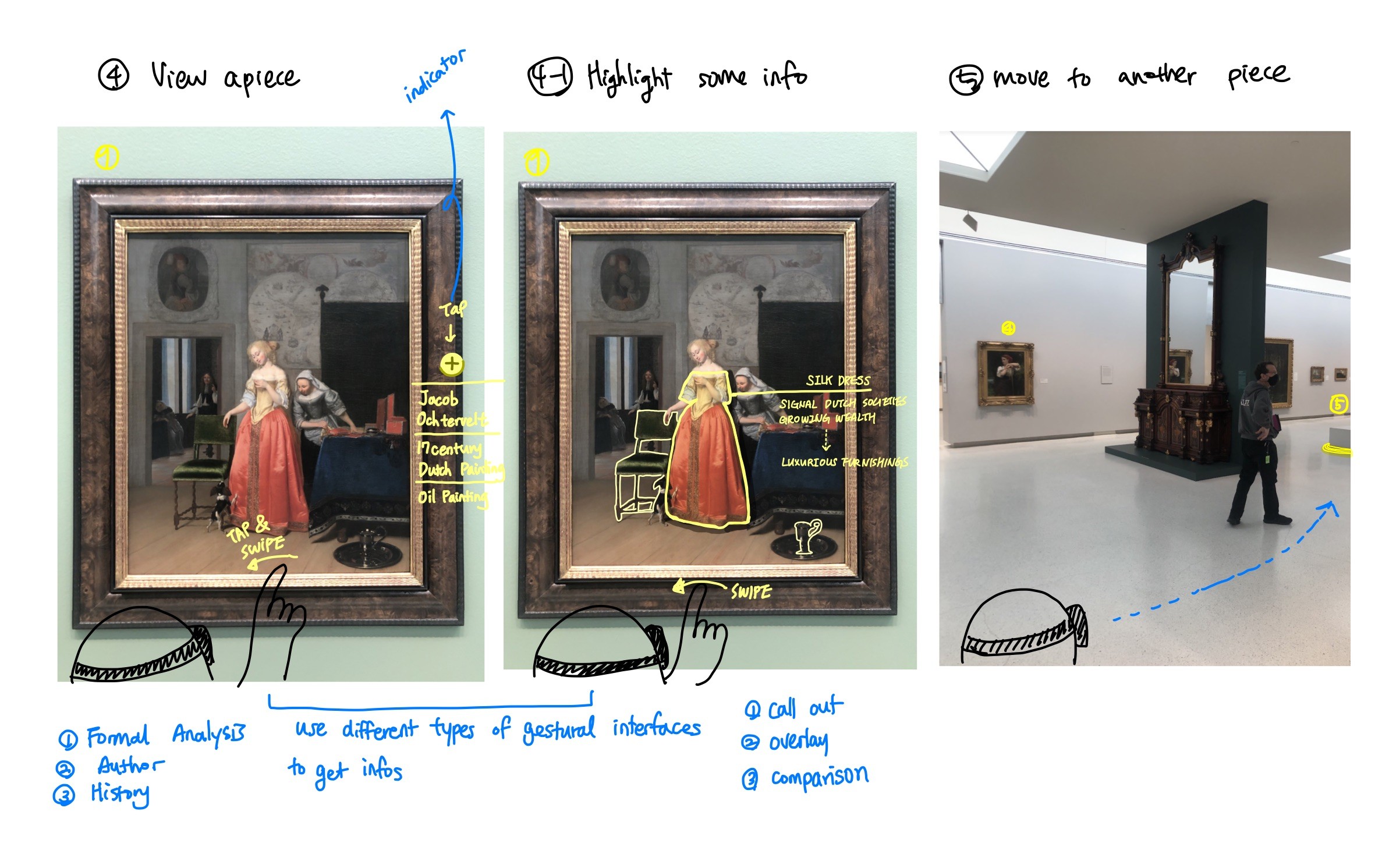
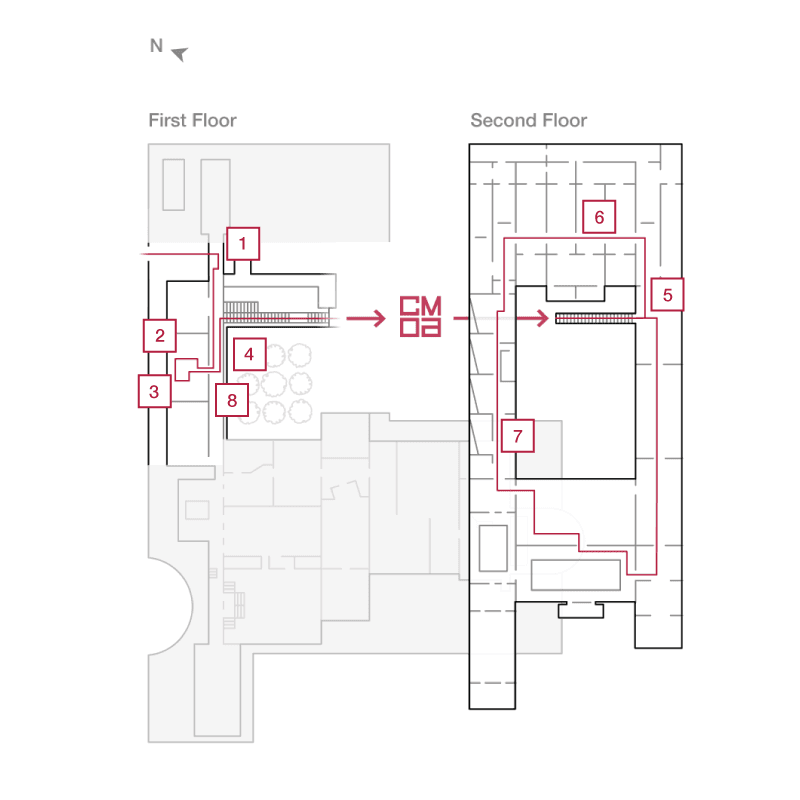
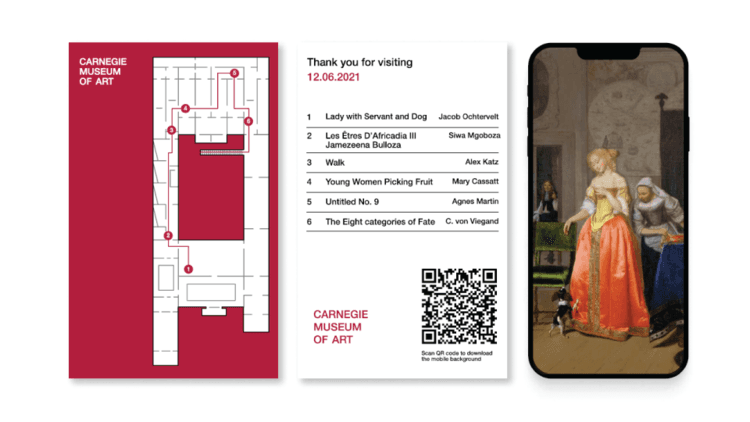
We designed out the entire visitor journey, from museum entrance to exit. Visitors are introduced to the Artifact experience when they pick up museum passes on-site or online, and may purchase tickets just as they would for other special exhibits. To start, visitors ease in through an onboarding experience in a dedicated area, select a tour, get to where they’re going, and interact with content specific to works of interest to them.
Visitors may switch things up at any time or share their journey with the Artifact community. When finished, they swap their headset for a physical keepsake with a record of the pieces they wanted to remember.
This site was designed in Figma and made in Framer without templates or purchases. Motion graphics made using Jitter.